
Choosing a Bedroom Air Purifier You Will Actually Run
Compare room suitability, nighttime settings, filters and placement before buying a bedroom air purifier.
Our advice is based on published information and practical buying considerations, not hands-on testing. Product links in this article are direct manufacturer links. If a link earns us a commission, we label it. Read our affiliate disclosure.
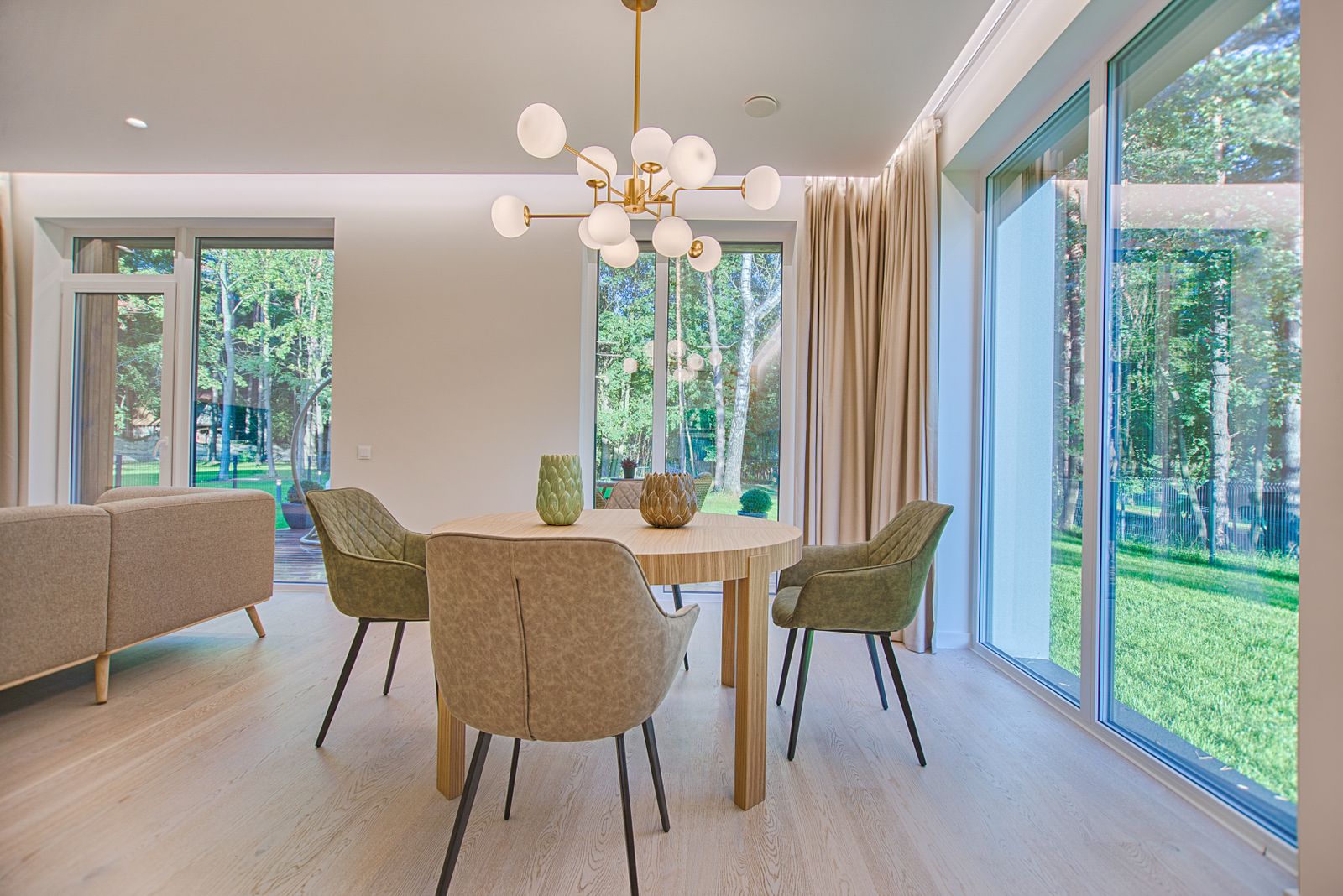
The bedroom is quiet until the new air purifier switches to a louder setting. You turn it down, then wonder whether the lower setting still suits the room. This is the central bedroom tradeoff: a purifier needs to be effective at a level you are willing to use, with a place to sit that does not block the walkway.
The practical verdict
Choose for the room size, the intended operating setting and the ongoing filter cost. The Coway Airmega AP-1512HH Mighty is a specific model to investigate, but compare its current documentation with your room rather than buying from a headline coverage claim alone. A purifier supports air management; it does not replace source control, appropriate ventilation or medical care.
Match the purchase to the room
| Bedroom situation | Main priority | What to check |
|---|---|---|
| Small enclosed bedroom | Suitable airflow without excessive bulk | Placement clearance and usable settings |
| Light sleeper | Acceptable sound and display lights | Performance at the setting you will use |
| Pets sharing the room | Manageable cleaning and filter care | Hair and dust can increase maintenance |
| Bedroom open to other spaces | Realistic area being treated | An open door changes the effective space |
Measure the room and note whether the door normally stays open. Coverage descriptions can depend on assumptions about ceiling height and air changes over time. Compare like with like when reading manufacturer claims; a large maximum area is not automatically a promise of the same cleaning rate in every room.
Understand airflow and filtration together
A filter's description is only part of the system. Air needs to move through it at a useful rate for the room. Where available, use documented clean-air delivery information and the manufacturer's room guidance to compare models. Avoid treating a impressive-sounding filter label as the entire buying decision.
The target matters too. Particles and gases are different problems, and products vary in how they address them. Do not assume a particle filter eliminates every odor or airborne chemical. Identify the source where possible and consider ventilation or source removal rather than expecting one appliance to solve all indoor-air issues.
Nighttime operation needs a real test
A published sound figure may describe a particular setting and measurement condition. Your room, distance from the bed and sensitivity to changing sound all affect the experience. Check the controls for fan settings and lights, then evaluate the unit during the return window in the intended location.
An automatic mode can be convenient, but changes in fan speed may disturb some sleepers. A steady setting may be preferable if it remains suitable for the room. Consult the product guidance and avoid assuming the quietest setting delivers the same airflow as the highest one.
Give the unit room to work
Follow the manufacturer's clearance and placement instructions. A purifier pushed behind curtains or tightly between furniture may have restricted airflow. Keep the power cord out of walking routes and consider whether a pet or child could disturb the unit.
Do not place it where it draws air directly from an avoidable pollution source and then treat that as a complete solution. Reducing indoor smoke, managing moisture problems and cleaning ordinary dust sources remain important. A purifier cannot repair a damp building or make an unsafe environment safe by itself.
Filters are part of the budget
Check the price and availability of the exact replacement filters before buying. Understand which parts can be cleaned and which must be replaced according to the instructions. Do not wash a filter simply because another model's filter is washable.
The AP-1512HH Mighty is a useful named candidate for comparing these ownership details. Review its current official information for room guidance, maintenance and replacement parts. This article does not claim a measured reduction in your bedroom's pollutants or a health outcome from the product.
Who should pause before purchasing?
If the concern is persistent dampness, a strong unexplained odor or a health symptom, identify the underlying issue rather than relying only on an appliance. If replacement filters are difficult to obtain locally, choose another supported model instead of accepting a maintenance problem from the start.
Buying checklist
- Measure the room and consider open-door use.
- Compare documented airflow and room assumptions.
- Check sound and light controls for nighttime use.
- Allow the required placement clearance.
- Price genuine compatible replacement filters.
- Keep realistic expectations about particles, odors and health.
Frequently asked questions
Will a purifier remove all bedroom odors?
No. Odor control depends on the pollutant and filtration system. Address the source where possible.
Can I use the lowest setting all night?
Check whether it provides suitable operation for your room. Quietness and airflow are a tradeoff.
Does an air purifier replace ventilation?
No. Ventilation and filtration serve different roles, and an appropriate combination depends on the building and conditions.
Explore the options
Use the manufacturer’s current specifications to confirm the exact version, compatibility and return terms before buying. Prices and availability can change.
Coway Airmega AP-1512HH Mighty
Why consider it: A specific purifier to compare for a bedroom after checking room suitability and filter costs.
The tradeoff: Performance depends on room conditions, settings and maintenance; it is not a medical treatment.
Explore at the manufacturer ↗Sources & further reading
Source information checked September 30, 2026. Product revisions and regional availability may differ.
See something that needs correcting? Contact our editorial inbox.
Keep exploring
View all
Does Your Apartment Actually Need Mesh Wi-Fi?
Decide when mesh networking helps, when one router is enough and how placement changes the result.
Smart Plugs That Earn Their Place at Home
Use smart plugs for simple, safe routines and learn which appliances should stay off your automation list.
A Video Doorbell for Renters: Permission Before Pixels
Evaluate video doorbells around rental permission, shared-space privacy, installation and ongoing costs.