
Choosing a TV for a Bright Living Room
Work around windows, reflections, and daytime viewing before spending more on a new television.
Our advice is based on published information and practical buying considerations, not hands-on testing. Product links in this article are direct manufacturer links. If a link earns us a commission, we label it. Read our affiliate disclosure.
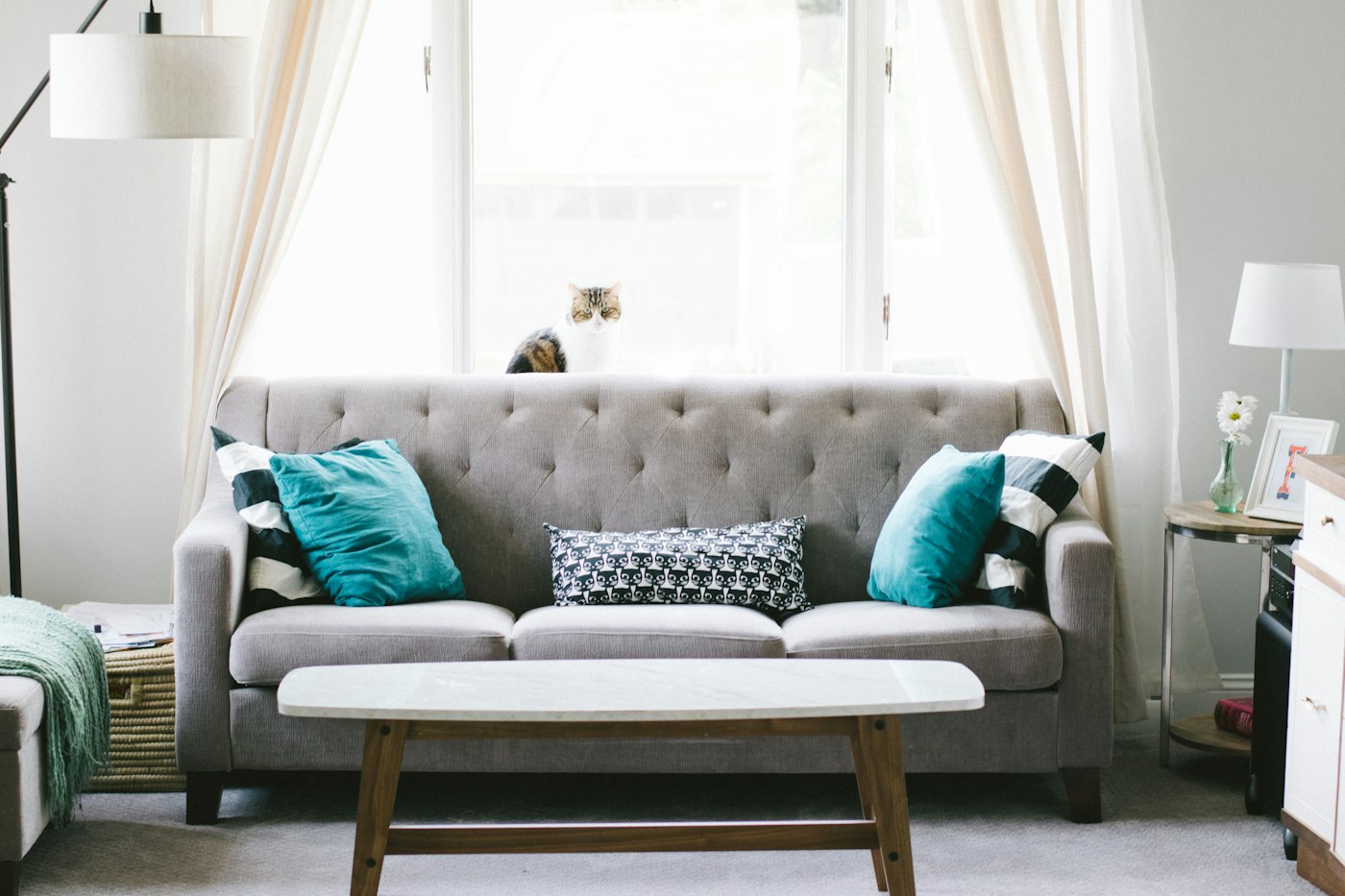
Saturday afternoon sport should not require closing every curtain. Yet a beautiful television can become frustrating when a window sits directly opposite the sofa. Before choosing a screen, separate two problems: a picture that looks washed out in ambient light, and a reflection that remains visible even when the picture is bright. A television upgrade may improve the first while furniture placement solves the second more effectively.
The short recommendation
Start with your room, then compare televisions. A mini-LED LCD is a sensible category to investigate for frequent daylight viewing, but the label alone does not establish brightness, reflection handling, or viewing angles. OLED can still suit a bright home where light is controlled and evening movies matter most. Manufacturer specifications help narrow a shortlist; a store demonstration and a workable return policy help answer room-specific questions.
| Your situation | Start by considering | Check before buying |
|---|---|---|
| Sport beside large windows | Mini-LED LCD | Reflections from the actual seat |
| Mostly films after sunset | OLED and mini-LED | Dark-scene detail and subtitles |
| Wide sectional sofa | Both technologies in person | Color and contrast off-center |
| Window directly opposite screen | Layout and shades first | Whether the reflection can be moved |
Map the light before measuring the screen
Photograph the current screen from your usual seat at lunchtime and in the evening. Turn it off for one picture so reflections are obvious. Note whether the bright patch comes from a window, ceiling light, or glossy cabinet. Moving a lamp is inexpensive; buying a new panel to compensate for the same lamp is not.
Measure the cabinet, including usable depth and the position of the feet. A larger diagonal does not guarantee a more comfortable installation. Leave room for a soundbar, ensure it does not cover the remote sensor, and confirm that an accessible power outlet sits near the proposed position. If wall mounting, check wall construction and use an appropriate installer where necessary.
Compare complete televisions, not panel slogans
Samsung's TV catalog includes Neo QLED and OLED lines. The Samsung QN90F Neo QLED, named in that catalog, is a practical starting point for comparing mini-LED options, rather than a blanket recommendation for every model. Open the exact size and model listing: features can vary across sizes, model years, and regions. Compare its connection layout, stand arrangement, accessibility options, and return terms with your room requirements.
For daytime sport, ask the retailer to show a normal broadcast or equivalent source, with ordinary picture settings. Highly saturated showroom footage hides weaknesses that may bother you at home. Look at faces, score graphics, and a moving camera across a field. Do not mistake motion interpolation for inherently better motion; some viewers dislike its appearance in films.
Anti-reflection treatments also involve tradeoffs. A surface can reduce a sharp reflection while spreading light more broadly. Without comparable measurements, avoid assuming that a named coating is automatically best. Evaluate the screen from the seats people actually use, not only directly in front.
What deserves your money
Prioritize a comfortable size, suitable light handling, reliable inputs, and an acceptable picture from all important seats. Extra processing labels are less useful if your streaming connection is unreliable or the sound is unintelligible. Reserve part of the budget for sensible cable routing, a safe mount, or modest room-light control.
Skip a premium upgrade if the main issue is one movable lamp, or if you watch almost exclusively after dark and already like your television. Equally, do not pay for gaming features you will never connect a compatible console or computer to. Your household's ordinary Tuesday viewing is a better purchasing brief than a manufacturer's showcase video.
Before you order
- Record daytime and evening reflections from the sofa.
- Measure stand width, cabinet depth, and soundbar clearance.
- List every HDMI device and any audio return connection.
- Check the exact model and screen size, not just the family name.
- Read delivery, installation, damage-reporting, and return conditions.
- Keep packaging until the television has been assessed in your room.
Questions worth asking
Will a brighter TV remove reflections?
No. More light output can help a picture compete with ambient light, but a visible reflection can remain. Placement and shading still matter.
Should I always avoid OLED in a sunny room?
No. The amount and direction of light, viewing schedule, and specific television matter. Avoid letting a broad technology rule replace a room assessment.
Is the largest affordable size the best choice?
Only if it fits the furniture, viewing distance, and installation. A slightly smaller screen that works comfortably in the room can be the more useful purchase.
Explore the options
Use the manufacturer’s current specifications to confirm the exact version, compatibility and return terms before buying. Prices and availability can change.
Samsung QN90F Neo QLED
Why consider it: A real manufacturer catalog for comparing mini-LED television families.
The tradeoff: Features differ by exact model and size; evaluate reflection handling separately.
Explore at the manufacturer ↗Sources & further reading
Source information checked September 30, 2026. Product revisions and regional availability may differ.
See something that needs correcting? Contact our editorial inbox.
Keep exploring
View all
OLED vs. Mini-LED for Evening Movies
Choose a movie-night television around room lighting, subtitles, seating, and the content you actually watch.

Projector or TV for an Apartment? Start With the Room
A realistic guide to screens, throw distance, daylight, cables, and rental-friendly movie nights.
A Gaming Monitor for Your Console: Check the Whole Connection
Avoid buying refresh-rate claims your console cannot use by checking resolution, inputs, and audio together.